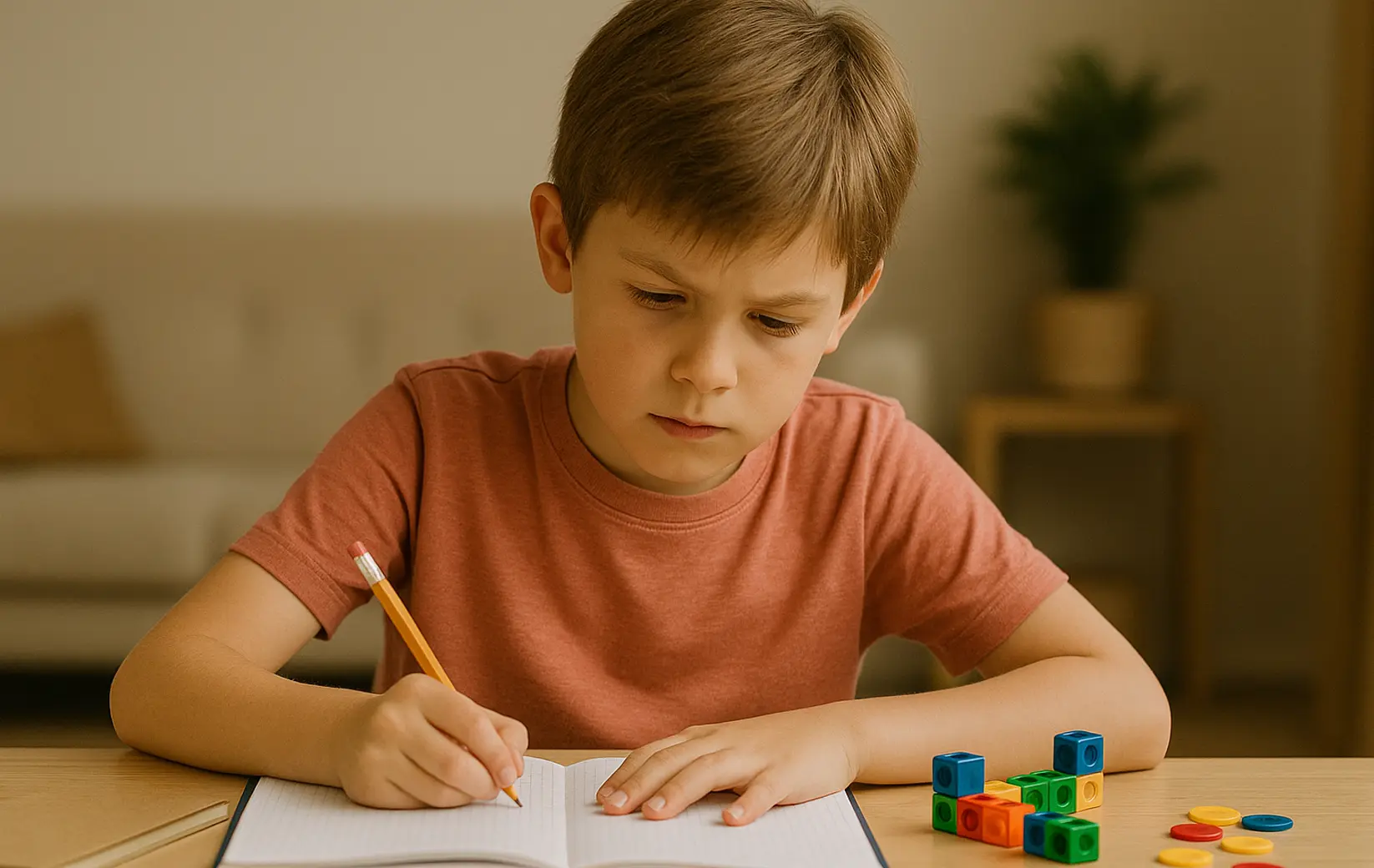
Exams can be stressful for children of all ages, whether it is KS2 SATs, 11+, or GCSEs.
In this guide, we’ll cover:
- What Is Exam Anxiety?
- Why Do Children Experience Exam Anxiety?
- How to Help Your Child Manage Exam Anxiety
- Exam Day Tips
While a little nervousness is normal, for some children it can become overwhelming. You might notice:
- Worry or panic before exams
- Avoiding revision
- Trouble sleeping
- Loss of confidence
This is known as exam anxiety, and it can affect both performance and wellbeing.
What Is Exam Anxiety?
Exam anxiety is a type of stress that occurs before or during exams. It can affect thoughts, emotions, and physical feelings such as nervousness or stomach aches.
Signs of Exam Anxiety in Children
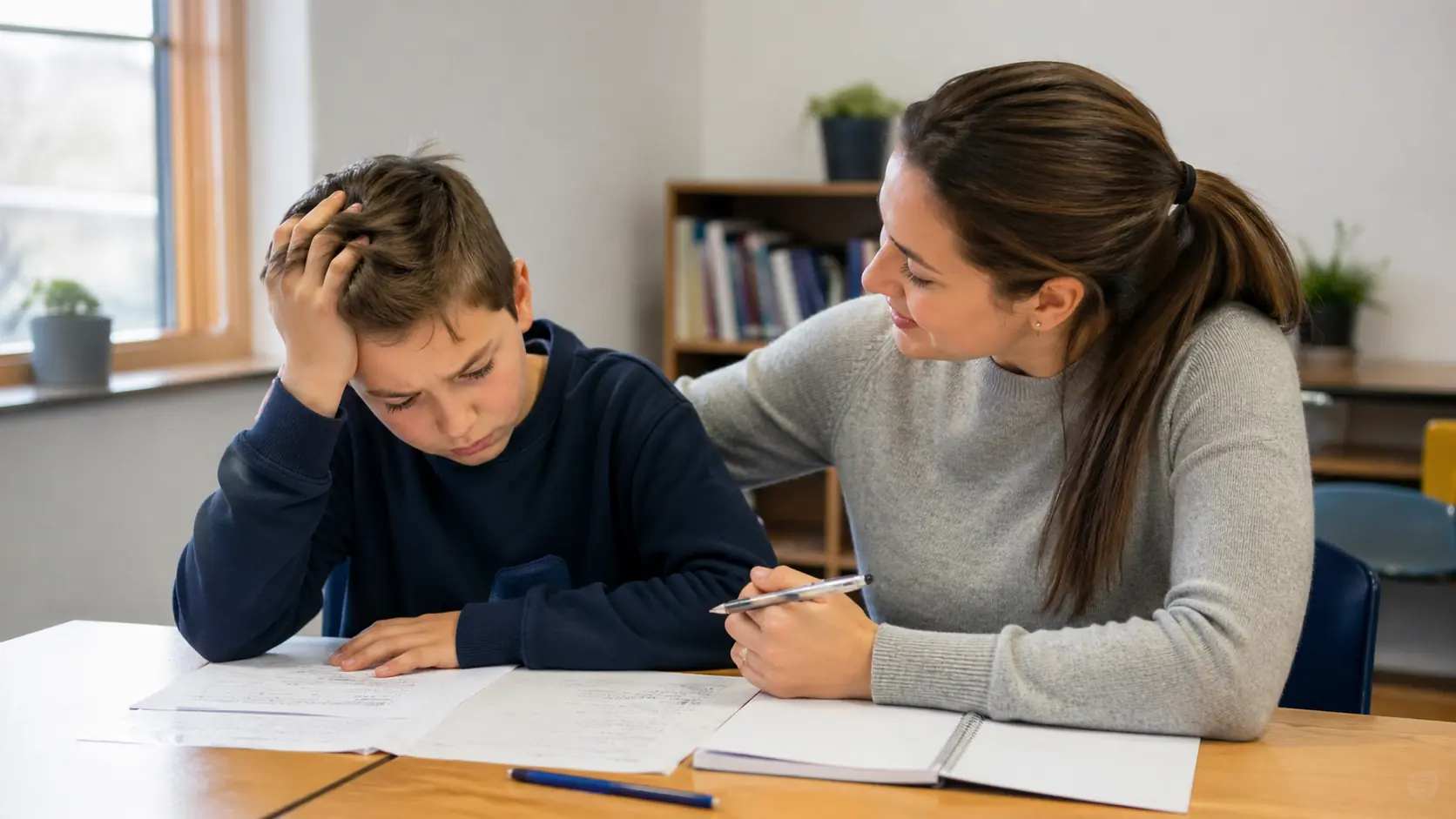
Emotional signs include:
- Excessive worry
- Low confidence
- Fear of failure
Physical signs include:
- Headaches or stomach aches
- Trouble sleeping
- Fatigue
Behavioural signs include:
- Avoiding revision
- Procrastination
- Irritability
Why Do Children Experience Exam Anxiety?
Children may experience exam anxiety because of:
- Fear of failure
- Pressure to perform
- Lack of preparation
- Low confidence
- Past negative experiences
How to Help Your Child Manage Exam Anxiety
1Talk Openly About Their Feelings
Give your child space to talk about what they are worried about. Listening calmly can help them feel understood and supported.
2Focus on Effort, Not Results
Praise hard work, consistency, and progress rather than only focusing on marks or grades.
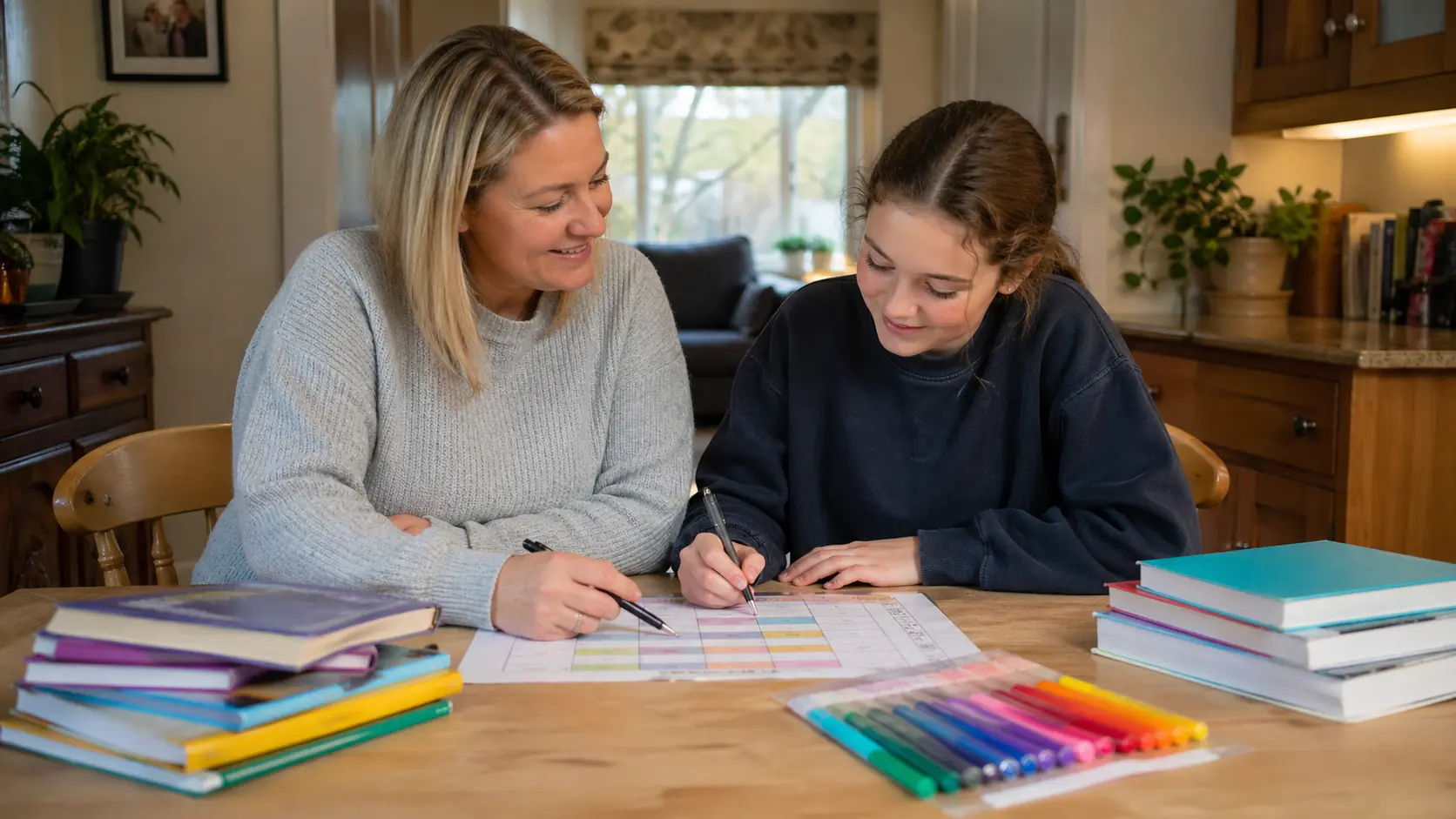
3Create a Simple Revision Plan
A clear and manageable revision timetable can reduce overwhelm and help your child feel more in control.
4Teach Relaxation Techniques
Deep breathing, short breaks, and mindfulness exercises can help children calm their nerves before and during exams.
5Encourage Healthy Habits
Good sleep, regular meals, hydration, and exercise all play an important role in managing stress and improving concentration.
6Avoid Last-Minute Cramming
Cramming can increase panic and make children feel less prepared. Regular, shorter revision sessions are more effective.
7Build Confidence Through Practice
Practice papers and guided support can help children become more familiar with exam formats and reduce fear of the unknown.
8Keep Perspective
Remind your child that one exam does not define their worth or future. A balanced mindset can reduce pressure.
9Avoid Comparisons
Every child learns differently. Comparing them to siblings or classmates can damage confidence and increase anxiety.
10Celebrate Progress
Recognise small wins along the way to help your child stay motivated and feel positive about their efforts.
Exam Day Tips


Simple habits can help:
- Get enough sleep
- Eat a healthy breakfast
- Stay calm and breathe deeply
- Focus on one question at a time
What Not to Do
Avoid:
- Putting extra pressure on your child
- Comparing your child with others
- Criticising mistakes
- Overloading revision
How Prime+ Tutoring Can Help
At Prime+ Tutoring, we focus on confidence, support, and results.
We offer:
- 30+ years of experience
- Qualified tutors
- Small group learning
- Personalised support
We help students feel calm, prepared, and confident.
Locations
We offer tuition in:
- Centre MK, Fishermead
- West MK, Whitehouse
Free Assessment
We offer a free assessment for KS2 and KS3 students to identify gaps and build a personalised plan.
Final Thoughts
Exam anxiety is common, but with the right support, children can feel confident and succeed. A calm plan, regular practice, and encouragement can make a real difference.
Book a Free Assessment with PrimePlus Tutoring
Find out where support is needed and receive a structured plan designed around your child’s current level and next steps.