
The summer holidays are winding down, and your child is about to embark on a significant educational milestone: moving from Key Stage 1 to Key Stage 2.
In this guide, we’ll cover:
- Why the KS1 to KS2 Transition Matters
- The curriculum becomes more complex between KS1 and KS2.
- Common Struggles in This Stage
- Prime+ Transition Support Programme
This transition marks more than just a change of classroom. It represents a shift in how your child will learn, study, and engage with education.
Many parents underestimate the impact of this progression. Year 3 introduces children to a more rigorous academic environment where expectations rise.
The play-based learning of KS1 gives way to formal assessments, increased independence, and more complex problem-solving tasks.
Understanding what lies ahead and how to prepare for it can help your child feel confident, prepared, and excited about their KS2 journey.

Why the KS1 to KS2 Transition Matters
The move from Year 2 to Year 3 represents one of the most significant academic leaps in a child’s education.
Increase in Curriculum Difficulty
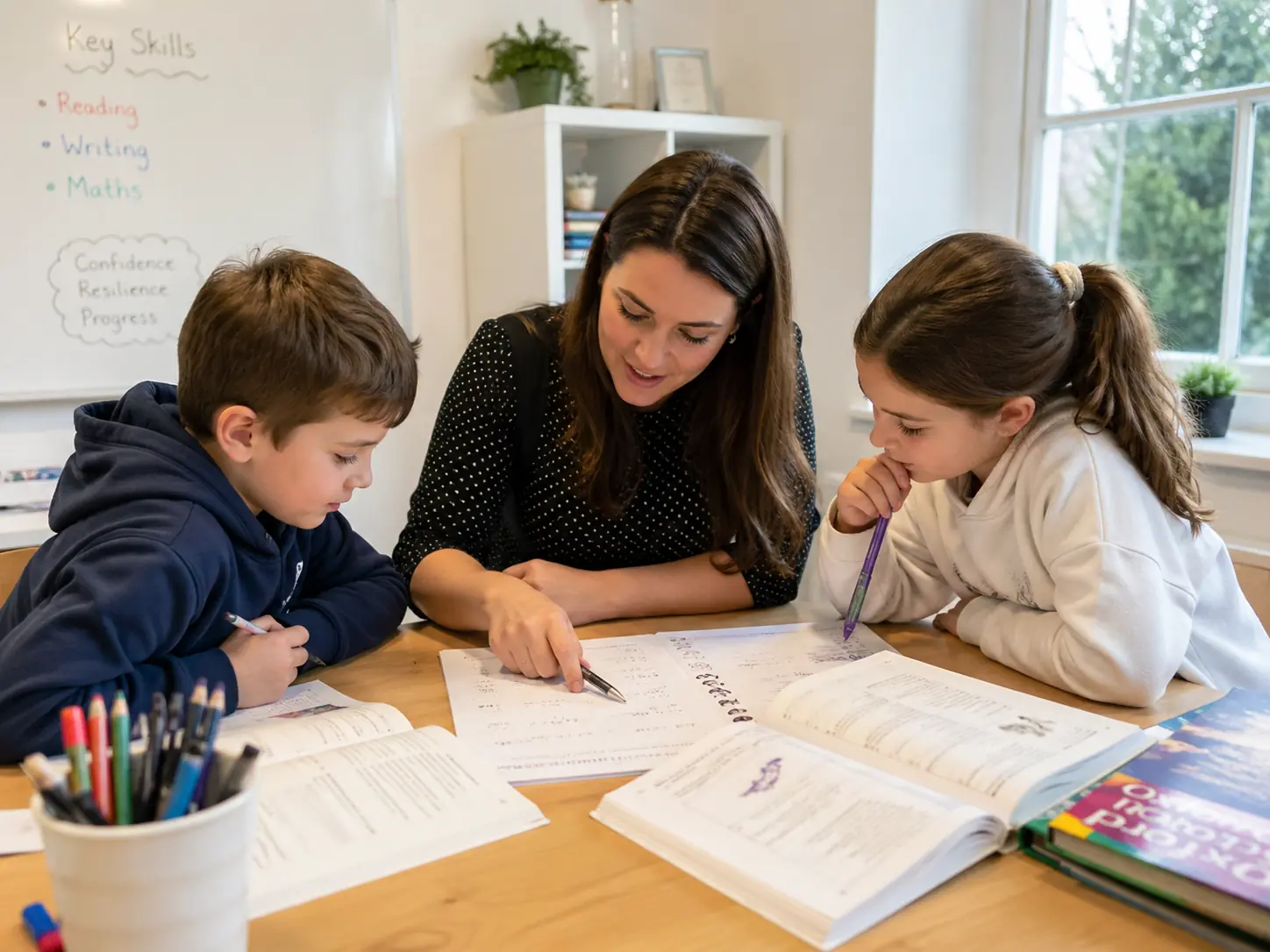
The curriculum becomes more complex between KS1 and KS2.
In mathematics, children move from basic addition and subtraction to:
- Multiplication tables
- Fractions
- Multi-step word problems
Reading comprehension evolves from simple recall to:
- Analysing characters
- Making inferences
- Explaining answers using evidence
Science moves from observation to:
- Hypothesis formation
- Scientific enquiry
- Using scientific vocabulary
- Drawing conclusions
Writing expectations also increase. Year 3 pupils are expected to write structured narratives with clear beginnings, middles, and endings.
Shift Towards More Independent Learning
One of the biggest changes is the expectation of independence.
KS1 classrooms typically provide high levels of adult guidance. In Year 3, children are expected to listen to instructions and work more independently.
Children must also:
- Organise belongings
- Remember homework
- Manage time
- Ask for help appropriately
- Show resilience during challenging tasks
Common Struggles in This Stage
Larger Workload and Longer Tasks
The most immediate change is the increased volume and duration of academic work. KS2 tasks can be longer and require more sustained concentration.
Homework also becomes more regular, requiring children to complete tasks independently at home.
More Complex Maths and Reading Comprehension
Mathematical concepts become more abstract in Year 3. Children encounter formal written methods and multi-step problems.
Times tables become increasingly important, with the expectation that children recall multiplication facts quickly.
Reading comprehension demands more sophisticated thinking. Children must read between the lines, understand implied meaning, and support answers with evidence.
Prime+ Transition Support Programme
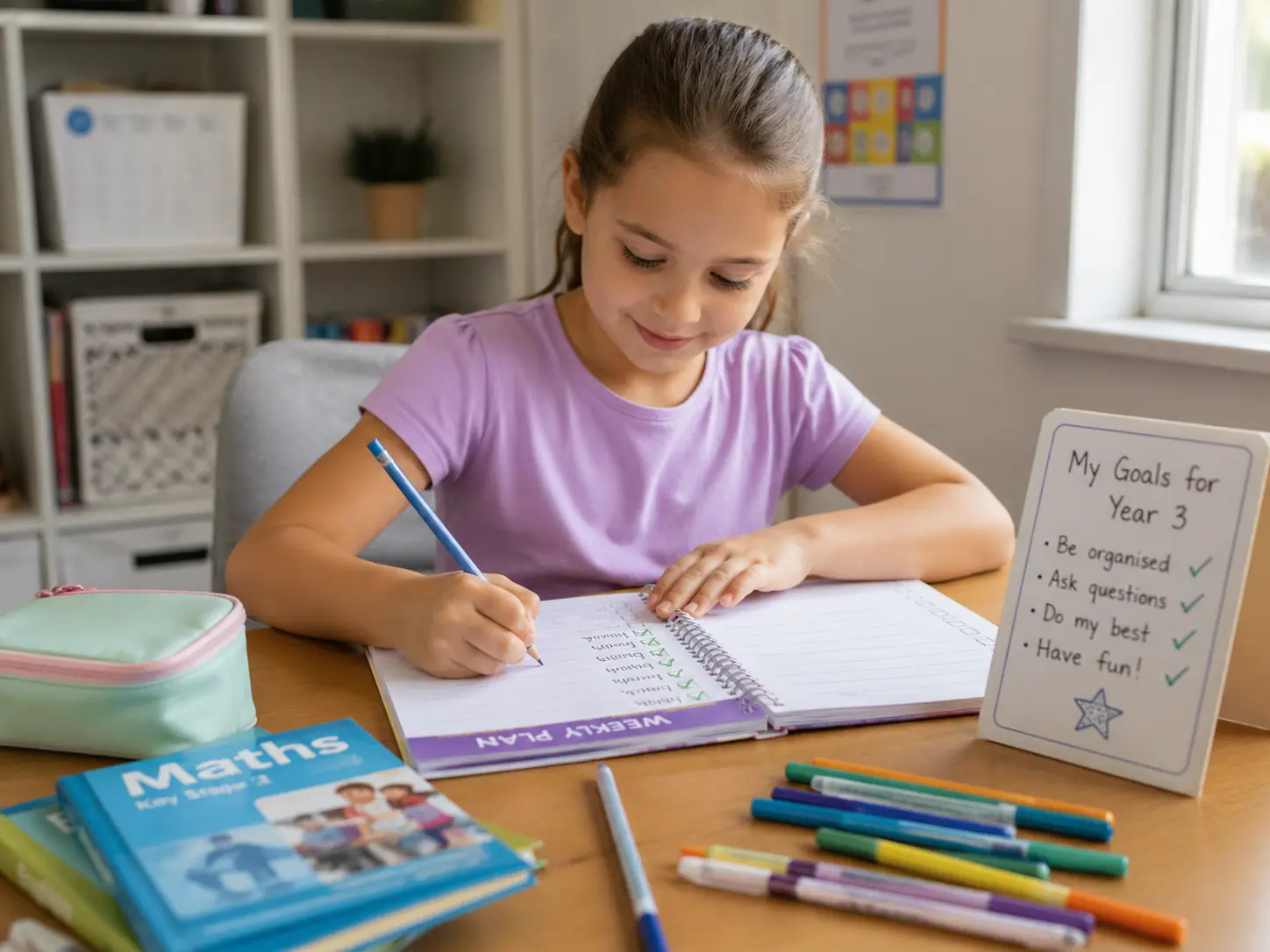
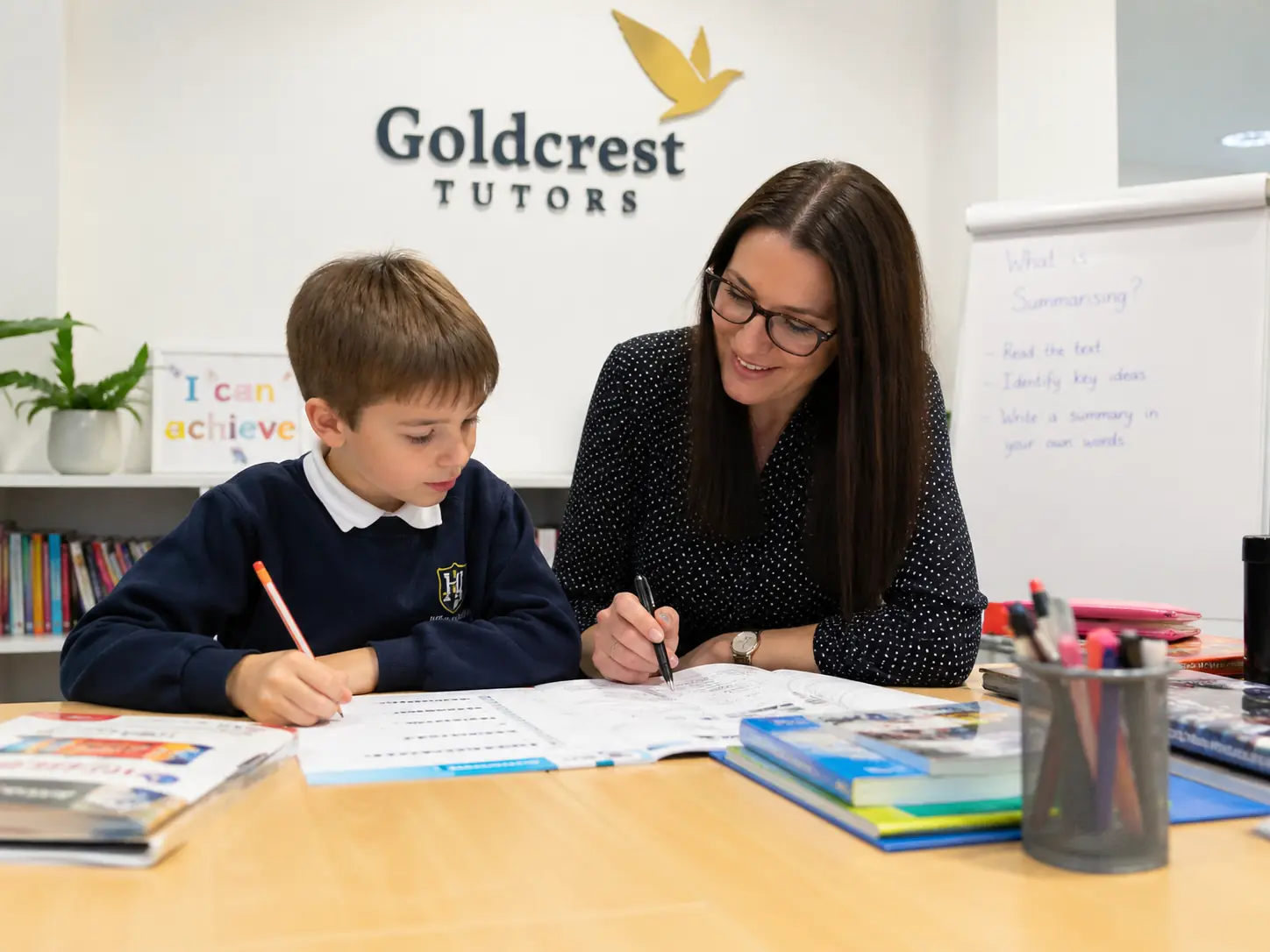
Our small group tuition approach recognises that every child’s transition experience is unique.
Small Groups for Tailored Support
With small groups, our experienced tutors can identify individual learning gaps and provide personalised support that larger classroom settings may not be able to offer.
This environment allows children to ask questions without embarrassment and receive immediate feedback.
Gradual Introduction to KS2-Level Skills
Rather than overwhelming children, our programme introduces KS2 skills progressively.
We begin by strengthening KS1 foundations before building new learning on top.
Mathematical concepts are introduced through clear explanations, visual representations, and guided practice.
Reading comprehension skills develop through carefully chosen texts that bridge the gap between KS1 and KS2.
Writing support begins with sentence-level improvements before progressing to structure and narrative techniques.
Boosting Organisation and Study Habits
Academic confidence building extends beyond subject knowledge.
Our programme also supports:
- Organisation
- Study routines
- Time management
- Resilience
- Independent learning habits
How Parents Can Help at Home
Regular Reading and Problem-Solving Activities
Daily reading remains one of the most powerful ways to support academic development.
Ask open-ended questions such as:
- Why do you think the character made that choice?
- What might happen next?
- What makes you think that?
Include non-fiction texts to build vocabulary and topic knowledge.
Mathematical problem-solving can become part of daily life through:
- Cooking
- Shopping
- Board games
- Puzzles
- Journey planning
Building Routines for Homework and Study
Establish consistent homework routines.
Create a dedicated study space that reduces distractions and keeps materials within easy reach.
Set regular homework times that fit your family schedule.
Break tasks into manageable chunks, especially for children who struggle with concentration.
Encourage independence while remaining available for support.
Celebrate effort rather than just achievement.
Success Story: A Confident Start to KS2
Sarah was a capable but anxious learner at the end of Year 2. Her parents noticed reluctance to attempt challenging tasks and a tendency to give up quickly.
During the summer before Year 3, Sarah joined Prime+ transition support. The small group environment allowed her to express concerns and work through anxieties.
Her tutor identified gaps in multiplication knowledge and provided structured practice to build confidence.
By focusing on problem-solving strategies rather than just correct answers, Sarah learned to approach unfamiliar tasks with curiosity.
When September arrived, Sarah felt prepared and excited about Year 3. Her teacher noticed improved independence, willingness to tackle challenges, and stronger organisational skills.
Your Next Steps for KS2 Success
Moving from KS1 to KS2 is a big step, but it does not have to be stressful.
With the right support, your child can approach this transition with confidence and excitement.
The key is recognising that this progression requires more than subject knowledge. Children need organisation, resilience, and independent learning strategies.
Prime+ transition support provides personalised attention to help children build these skills while strengthening foundations in core subjects.
Book a free KS2 readiness consultation and help your child start their KS2 journey with confidence.
Book a Free Assessment with PrimePlus Tutoring
Find out where support is needed and receive a structured plan designed around your child’s current level and next steps.