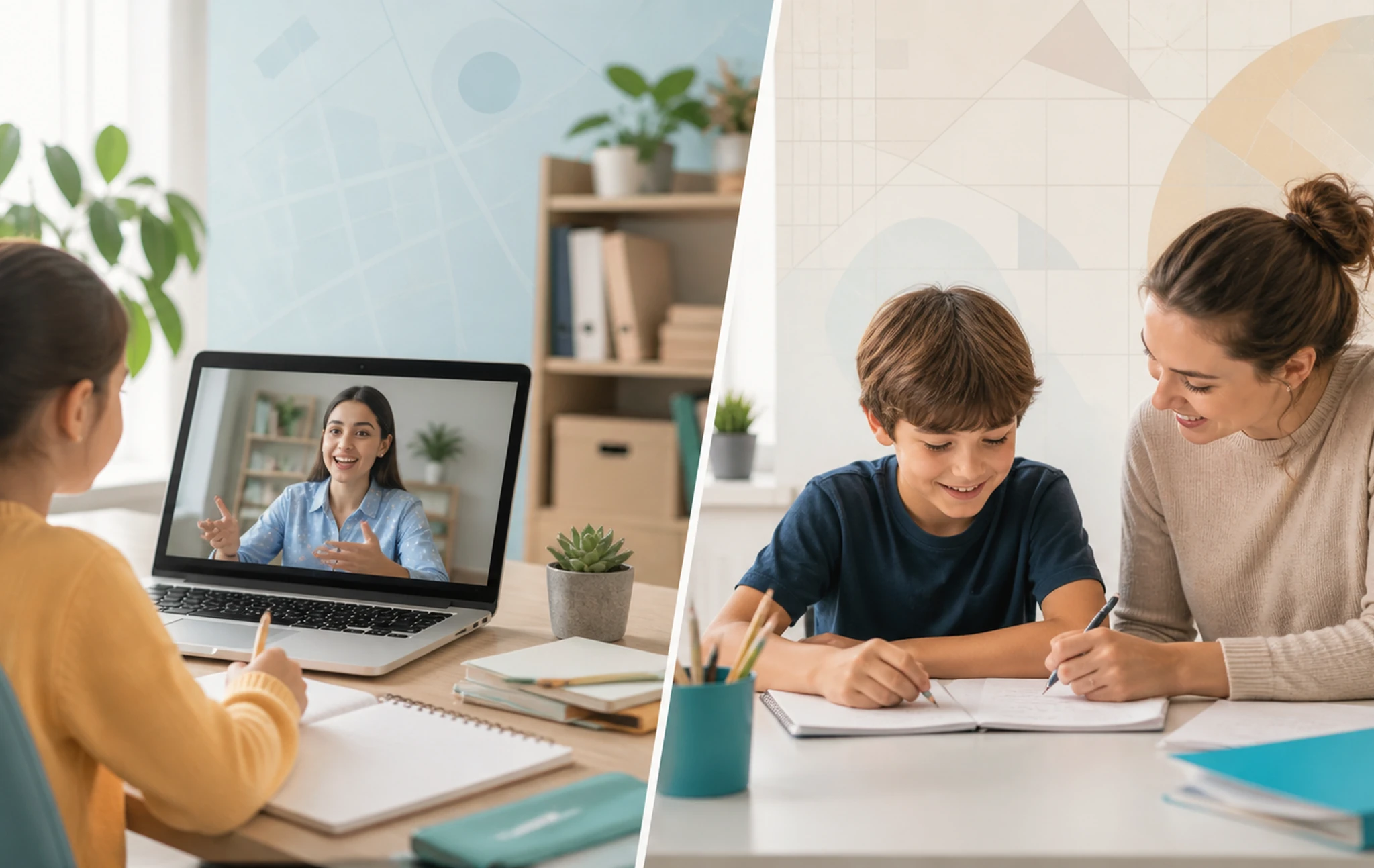
Picture a child who once sat quietly at the back of the classroom, hesitant to raise their hand or share an answer. Now imagine that same child actively participating in discussions, tackling new challenges, and feeling proud of their achievements.
In this guide, we’ll cover:
- Why Confidence Is Key for Learning Success
- The Problem with Large Classrooms
- The Prime+ Difference
- Practical Ways to Build Confidence at Home
This transformation is common when children experience the power of small group learning environments.
Confidence forms the cornerstone of successful learning, yet many primary school children struggle to develop this trait within traditional classroom settings.
When children feel confident, they are more willing to take intellectual risks, ask questions, and persist through difficulties.
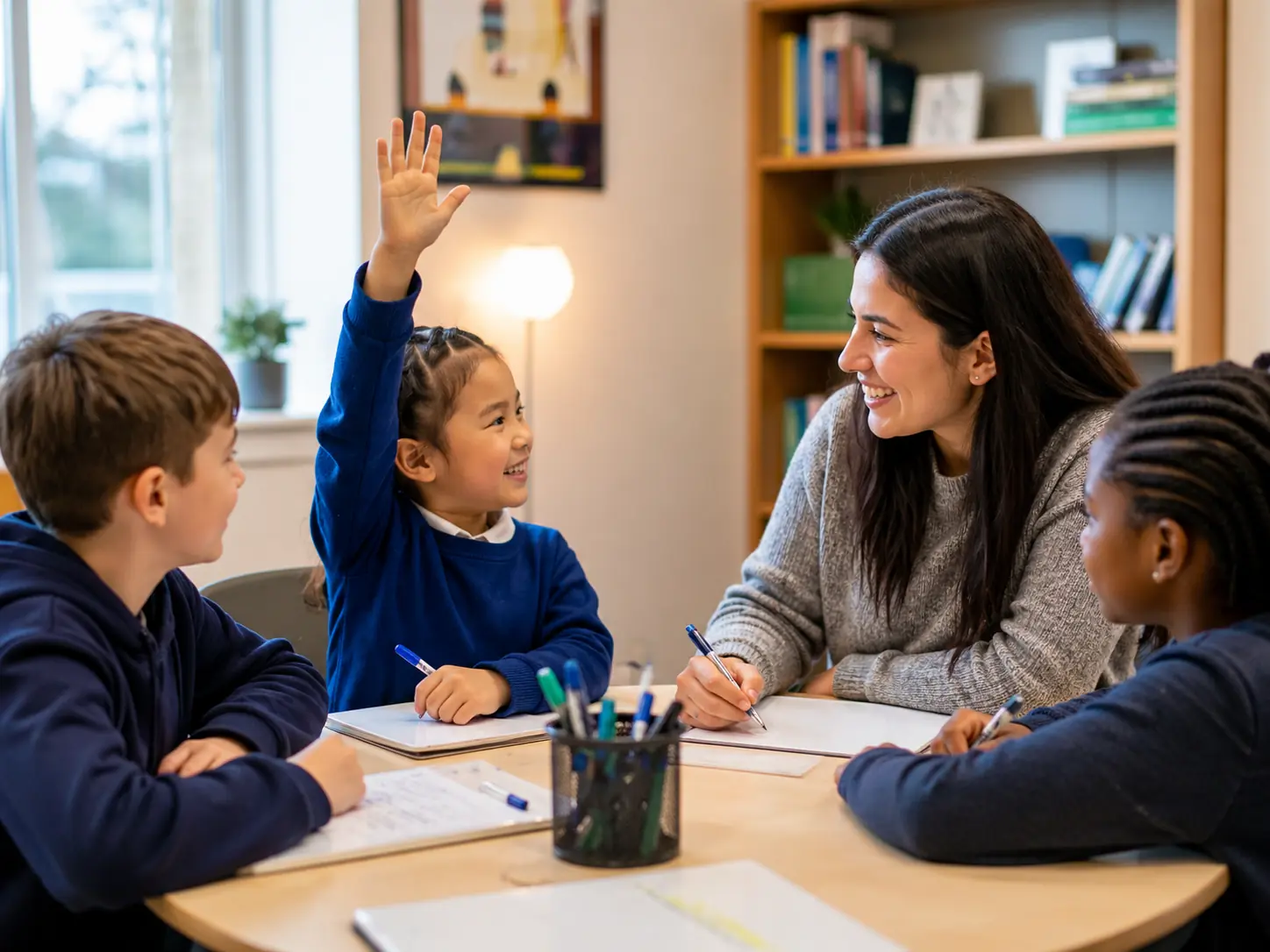
Small group learning creates the ideal conditions for nurturing confidence in young learners. Unlike overcrowded classrooms where quieter children might fade into the background, small groups ensure every voice is heard and every contribution matters.
Why Confidence Is Key for Learning Success
Confidence building in primary school goes far beyond helping children feel good about themselves. It directly affects academic achievement and lifelong learning habits.
Confident learners:
- Participate in class discussions
- Volunteer answers
- Share their thinking
- View mistakes as learning opportunities
- Attempt more challenging work
Children who believe in their abilities tend to set higher goals, persist longer when facing difficulties, and achieve better results.
The benefits extend beyond academics. Confident children develop stronger social skills, communicate more effectively, and show greater resilience when facing setbacks.
The Problem with Large Classrooms

Traditional classrooms often struggle to provide the individual attention needed for confidence building.
With class sizes often exceeding 30 children, even the most dedicated teachers face challenges in meeting every child’s needs.
Quieter children can suffer in these environments. Confident children may readily volunteer answers, while shy or uncertain learners can go unnoticed.
The pace of large classroom instruction can also create challenges. Children who need extra processing time may feel rushed, while those who grasp concepts quickly can become bored or disengaged.
The Prime+ Difference
Small group tutoring transforms the learning experience by creating intimate, supportive environments where every child receives genuine individual attention.
With small groups, tutors can:
- Understand each child’s learning style
- Give every child chances to speak
- Adapt lessons in real time
- Provide immediate feedback
- Encourage safe participation
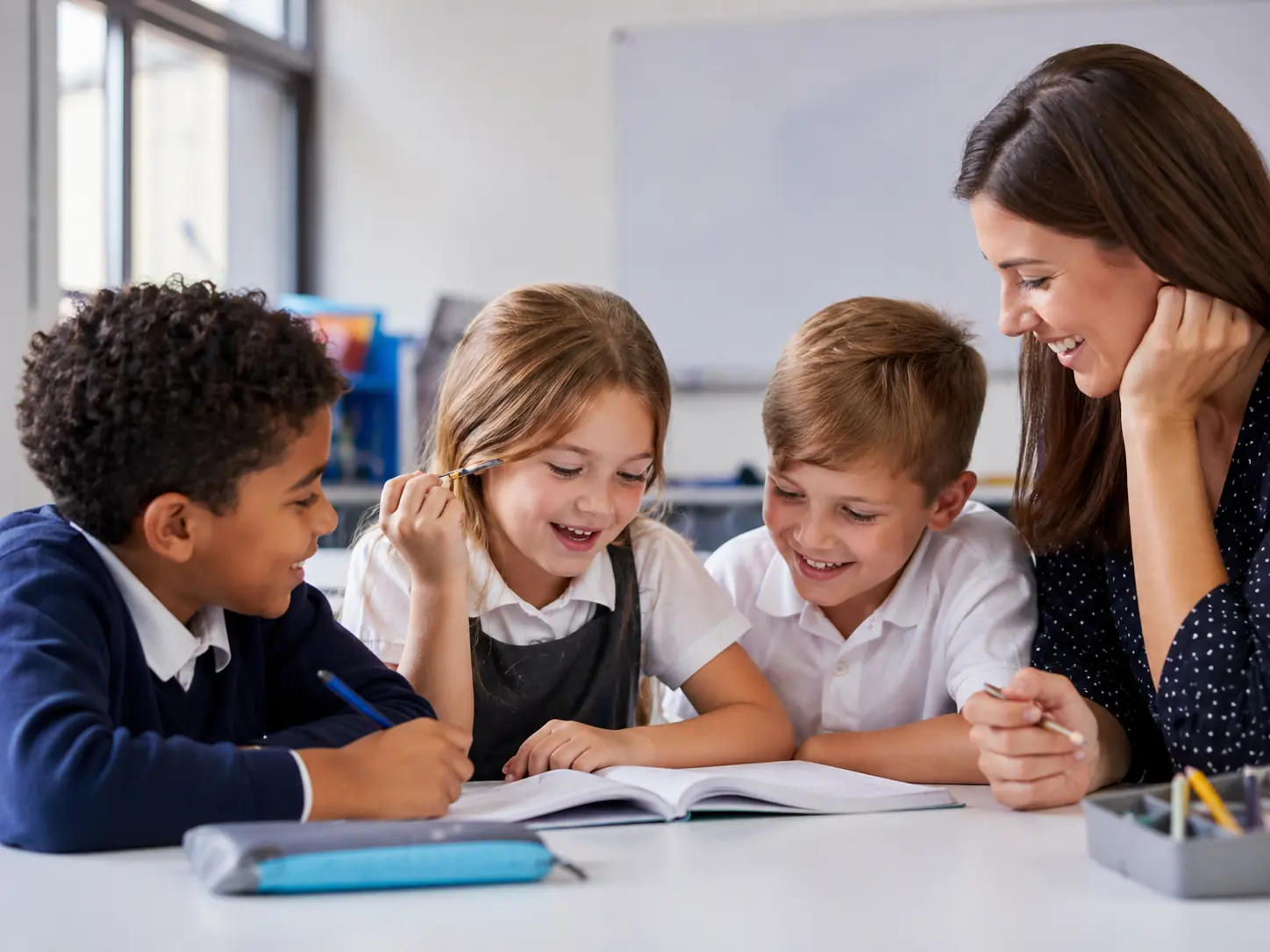
The small group dynamic also creates peer learning opportunities. Children learn from each other’s questions, explanations, and different approaches to problems.
Real-Life Transformation Stories
Emma, a Year 2 student, entered her first session barely speaking above a whisper. In her large classroom, she rarely participated and often seemed anxious.
Within her small group, Emma initially remained quiet but gradually began responding to gentle questions. She noticed that her group mates also asked questions and made mistakes without judgement.
By the fourth session, Emma voluntarily shared an answer. By the eighth session, she was explaining her reasoning to help another student.
Her classroom teacher later noticed increased participation during school lessons. Her parents observed greater confidence at home.
James, a Year 4 student, struggled with maths confidence after falling behind in class. Despite being capable, he had developed anxiety around maths.
In his small group, James discovered that others also found some concepts challenging. His tutor used visual aids and step-by-step explanations to help him understand. Over time, his maths scores improved and his attitude transformed.
Practical Ways to Build Confidence at Home
Parents can support confidence by:
- Praising effort, not labels
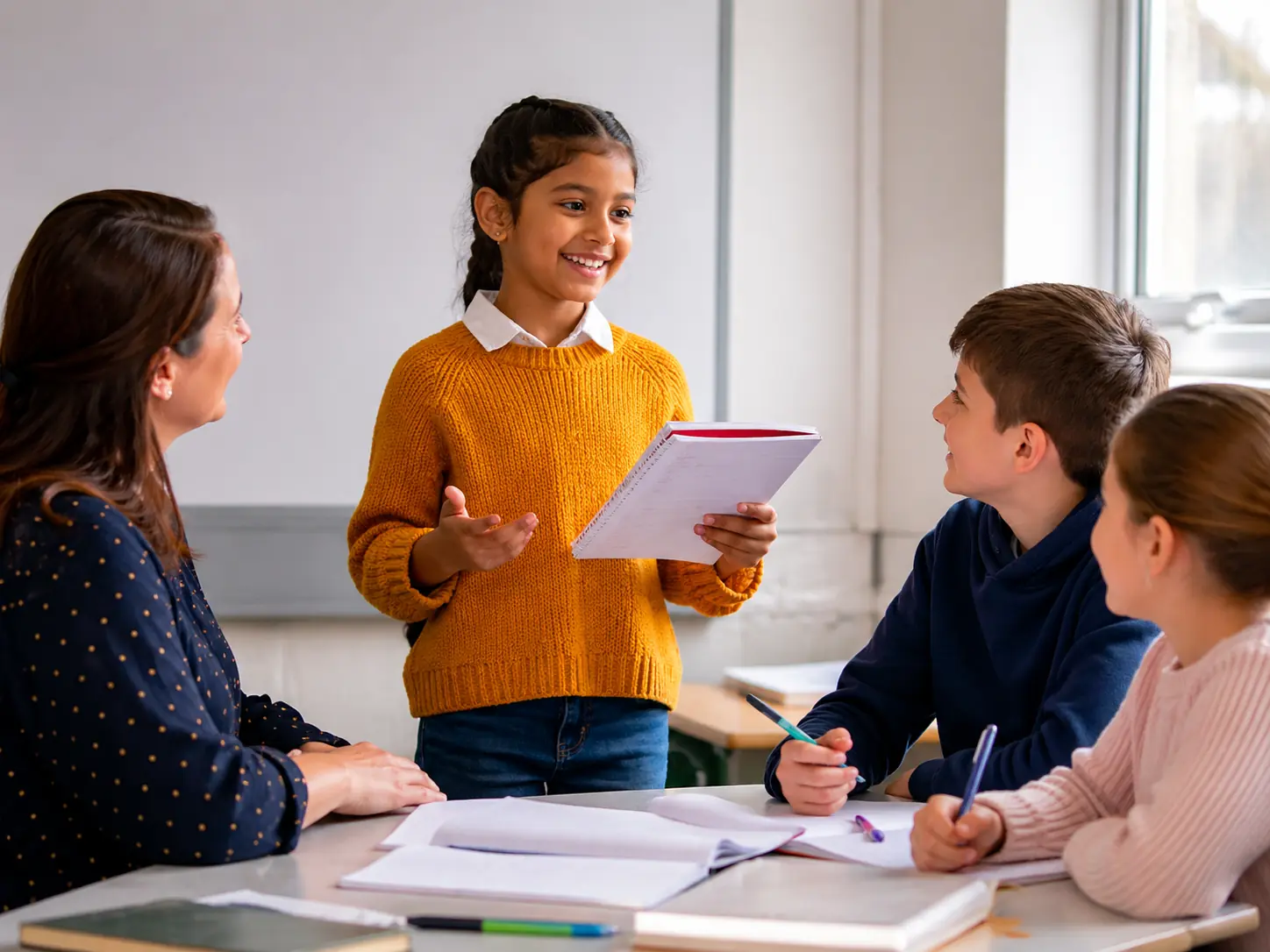
- Letting children explain what they have learned
- Encouraging curiosity
- Creating a positive learning space
- Reading in different ways
- Celebrating progress
- Connecting learning to real life
Frequently Asked Questions
How does small group learning differ from one-to-one tutoring?
Small group learning provides individual attention while maintaining social interaction. Children learn from peer questions and explanations, developing academic confidence and communication skills.
What age groups benefit most?
Primary school children, especially KS1 and KS2 students, benefit because they are developing fundamental academic and social skills.
How quickly do confidence improvements appear?
Many children show early improvements within a few sessions, but timing varies depending on personality and previous experiences.
Can small group learning help confident children too?
Yes. Confident children often develop leadership skills by explaining ideas to peers and tackling appropriately challenging work.
How do tutors ensure equal participation?
Skilled tutors use structured questioning, rotation, paired tasks, and short individual activities followed by sharing.
Building Confidence Through Personalised Learning
Small group learning provides ideal conditions for building confidence in primary school children.
Children receive individual attention within supportive peer settings, helping them develop academic skills and self-belief.
For parents considering KS1 and KS2 tuition in Milton Keynes, the focus should extend beyond academic catch-up to confidence building.
Ready to Boost Your Child’s Confidence?
Prime+ keeps groups small so no child is overlooked. Get in touch to find out how small group tuition can support your child’s learning and confidence.
Book a Free Assessment with PrimePlus Tutoring
Find out where support is needed and receive a structured plan designed around your child’s current level and next steps.