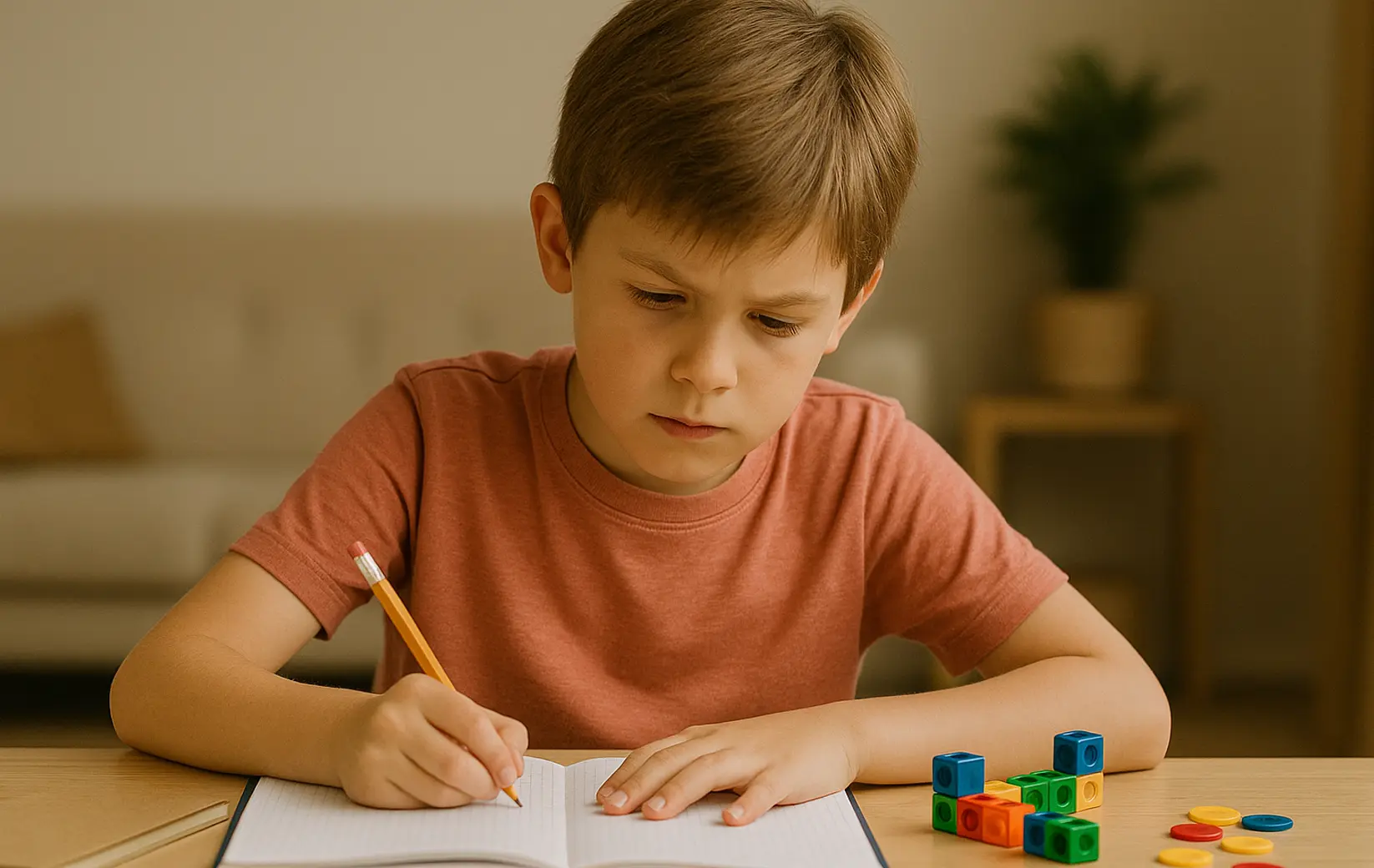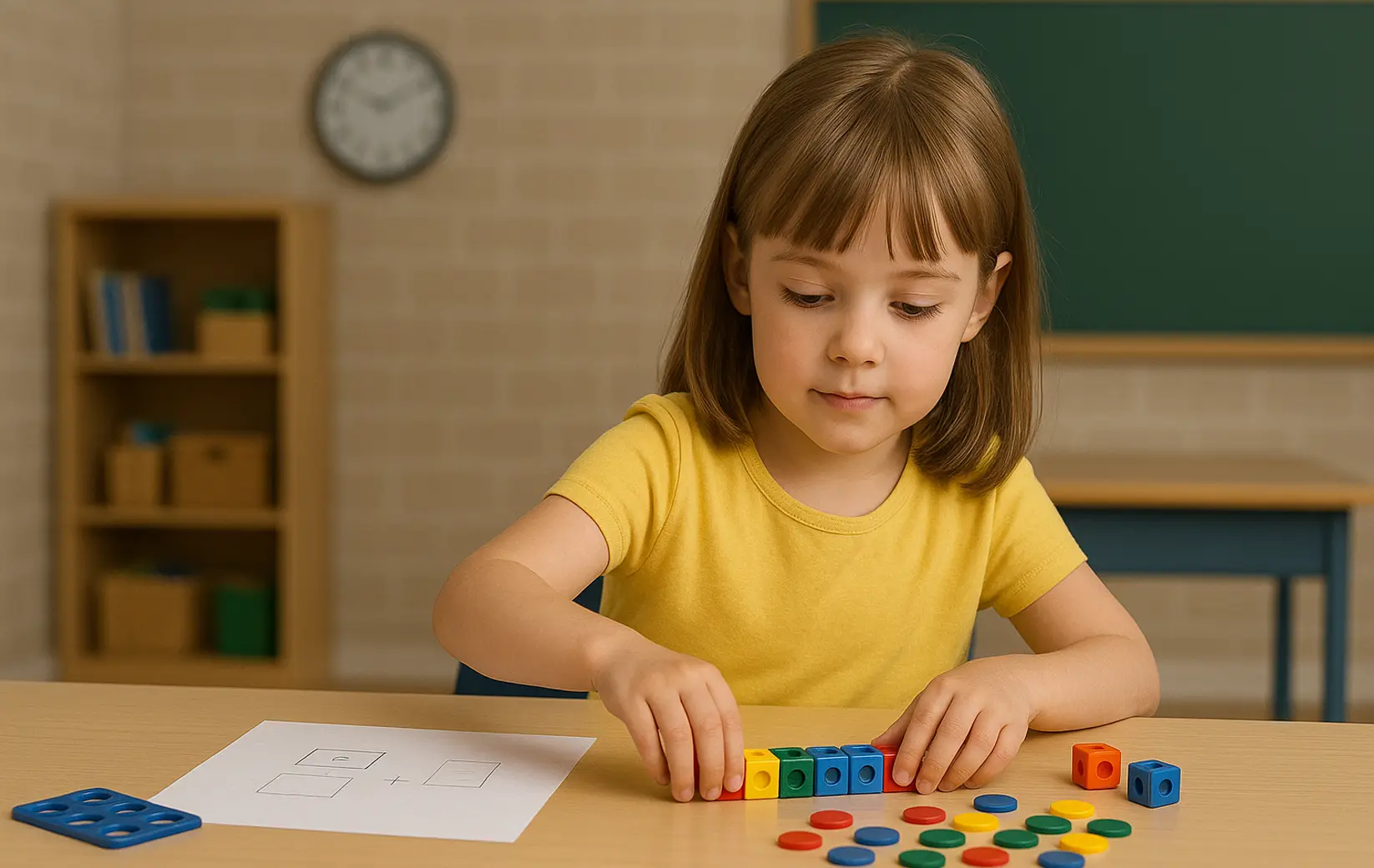
Learning gaps are areas where children have not fully mastered essential skills that form the building blocks for future learning. In KS1, these often include phonics, reading fluency, spelling, number bonds and basic mental arithmetic.
In this guide, we’ll cover:
- What Are Learning Gaps?
- Why Gaps Show Up in KS1
- Reading and Writing Concerns
- Mathematical Difficulties
What Are Learning Gaps?
Small early gaps can become bigger problems if left unaddressed, so early action matters.
Why Gaps Show Up in KS1
Common contributors include educational disruption, missed early learning experiences, early signs of learning differences and different learning paces or styles. Some children simply need a different approach or more time.
Reading and Writing Concerns
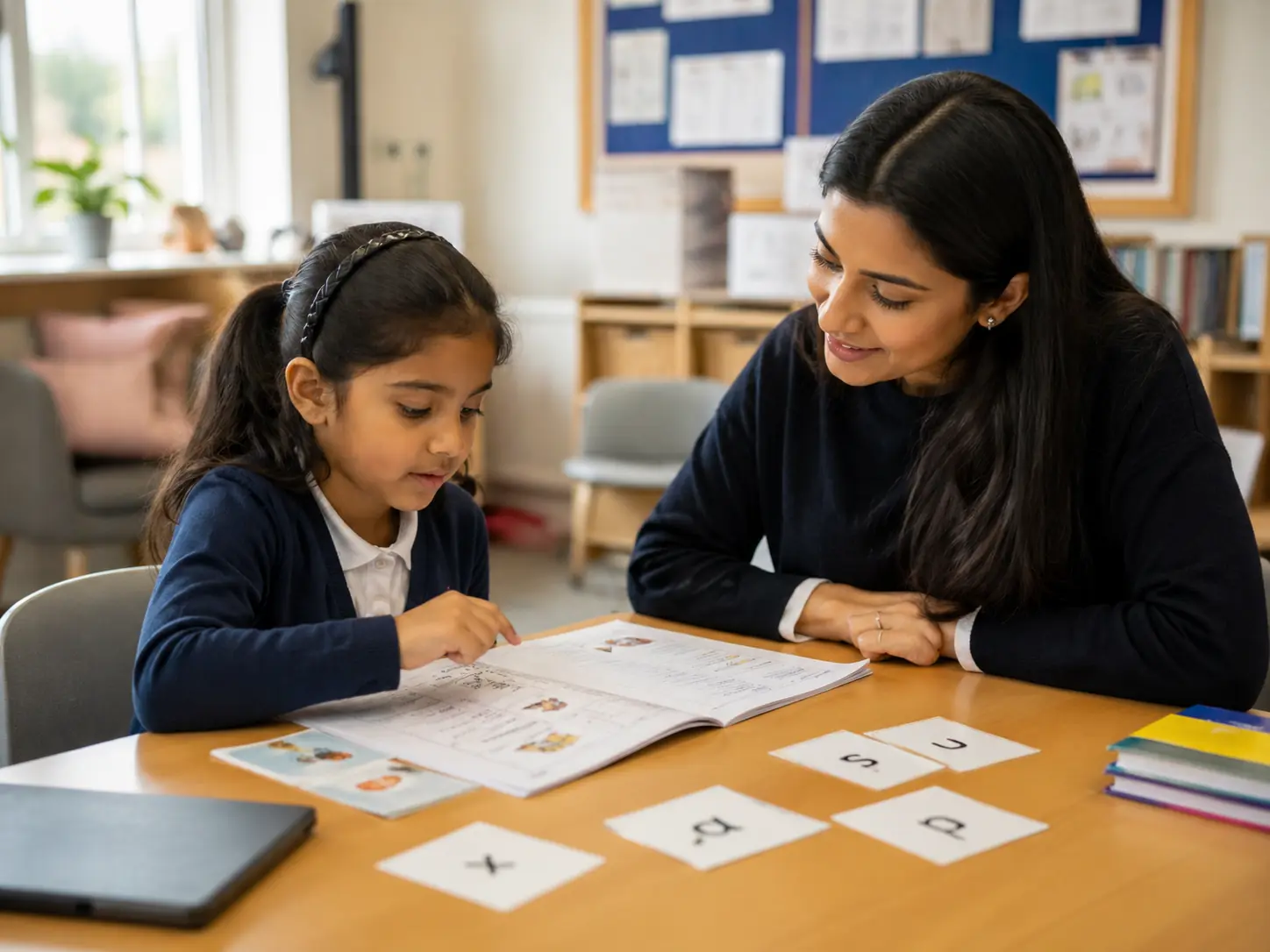
Reading and writing signs to watch for include reluctance to read aloud, confusion with letter formation, frequent reversals, difficulty remembering common spellings and struggles with phonics.

Mathematical Difficulties
Maths signs include falling behind peers in mental maths, trouble with number bonds to 10 or 20, difficulty with simple addition and subtraction, and confusion with mathematical language.
Behavioural and Emotional Signs
Children may avoid homework, become upset at study time, act out, withdraw or make comments such as “I’m just not good at this.” These emotional signs often appear before parents realise the academic gap.
Why It Is Crucial to Act Early
Waiting can make small gaps compound as the curriculum builds on earlier skills. Early targeted support usually needs fewer sessions and gets quicker results than later intervention.


What Parents Can Do at Home
Read with your child for 10–15 minutes daily, ask questions, observe homework patterns, communicate with teachers and use age-appropriate KS1 expectations to monitor progress.
How PrimePlus Helps
PrimePlus uses diagnostic assessments, fun interactive lessons, praise-based learning and small group sessions capped at three children so every student receives individual attention while benefiting from peers.
Final Thoughts
Spotting KS1 learning gaps does not mean failure. It means timely, targeted support can help your child build a strong foundation and regain confidence.
Book a Free Assessment with PrimePlus Tutoring
Find out where support is needed and receive a structured plan designed around your child’s current level and next steps.