
Verbal reasoning assesses a child’s ability to think critically about words and language. It includes recognising patterns, understanding word relationships and solving logic problems in verbal form.
In this guide, we’ll cover:
- Why Verbal Reasoning Matters in the 11+ Exam
- What Makes Verbal Reasoning Challenging?
- Build a Strong Vocabulary
- Practise Synonyms and Antonyms
Why Verbal Reasoning Matters in the 11+ Exam
For many children, verbal reasoning feels unfamiliar because it is not taught as a normal school subject in the same way as maths or English.
What Makes Verbal Reasoning Challenging?
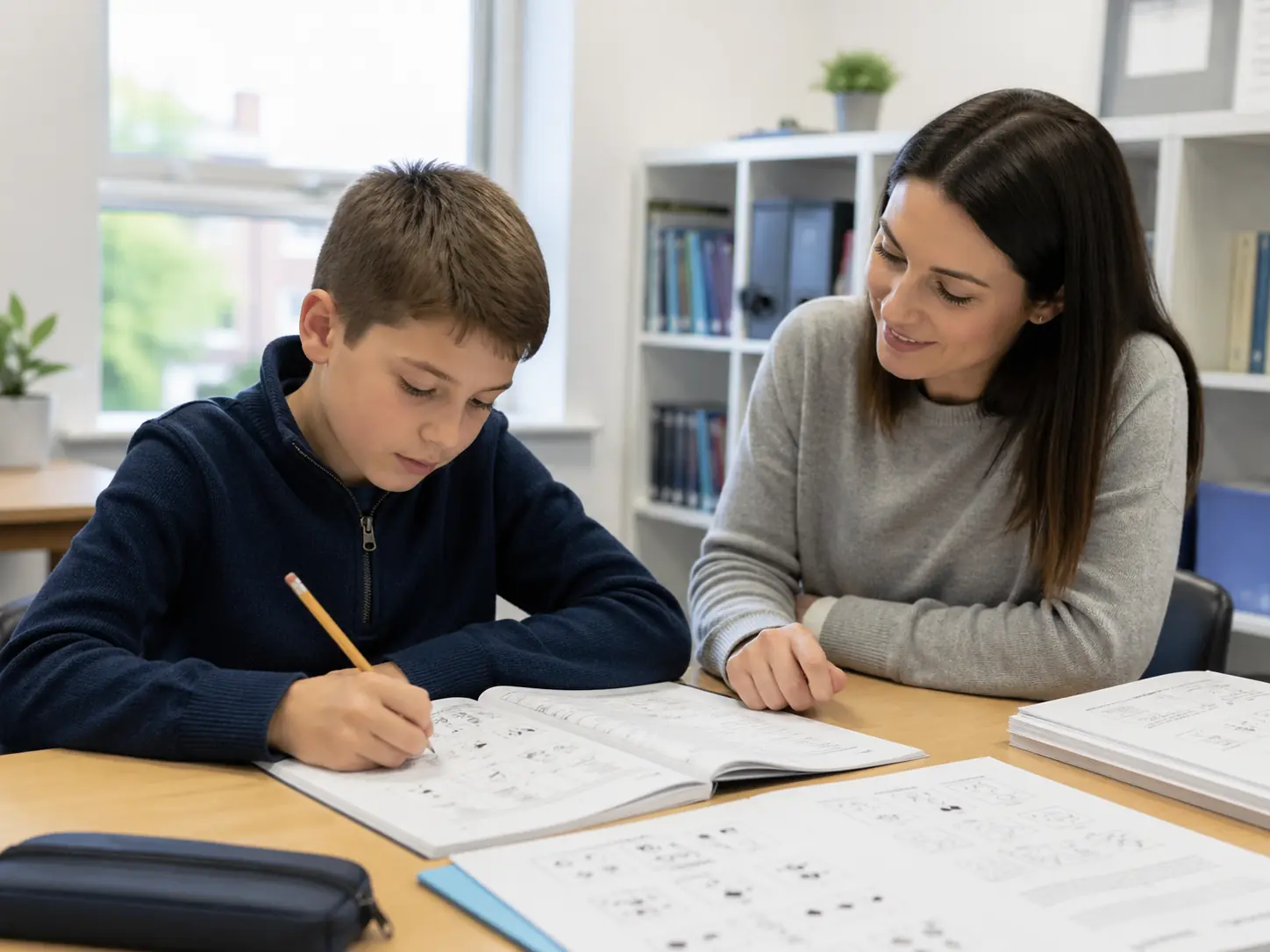
The abstract nature of verbal reasoning requires logic, language comprehension, vocabulary and speed. Children need to understand the question type and work accurately under timed conditions.
Build a Strong Vocabulary
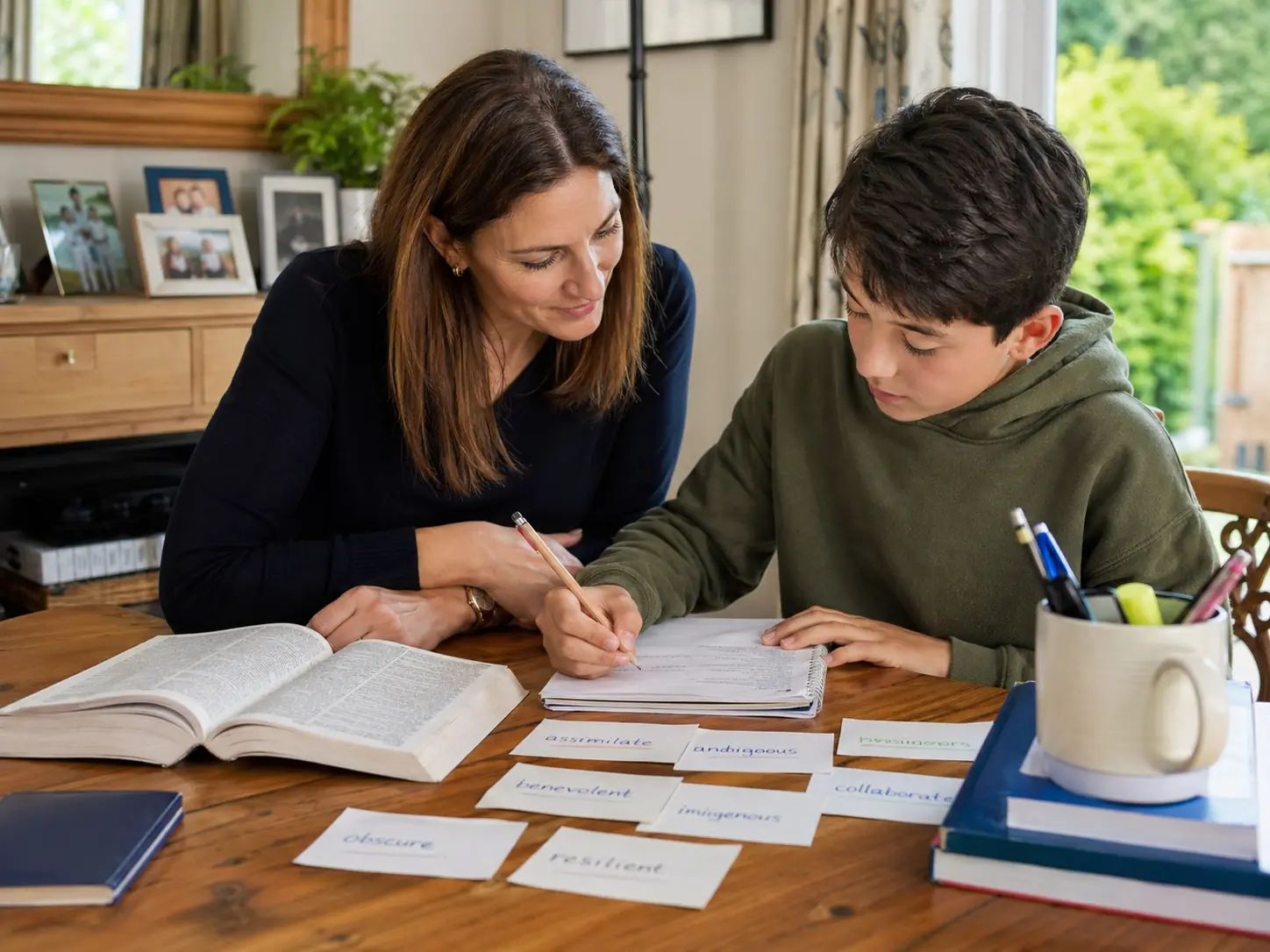
A rich vocabulary is the foundation of verbal reasoning. Encourage daily reading, flashcards and word games such as Scrabble or crosswords.
Practise Synonyms and Antonyms
Synonym and antonym questions are common. Practise word comparison games and example exercises so children build fast associations.
Master Word Meanings in Context
Teach children to use context clues, prefixes, suffixes and surrounding words to work out unfamiliar vocabulary.
Understand Word Relationships
Analogies and word relationships require regular practice. Start with simple examples, then build towards 11+ question formats.


Get Familiar with Alphabet and Code Questions
Alphabetical order and code questions require precision. Encourage systematic thinking and teach children to write out the alphabet when needed.
Work on Speed and Accuracy
The 11+ is timed. Use short timed practice sessions and teach time-saving strategies such as eliminating wrong answers.
Use Practice Papers and Review Mistakes
Practice papers build familiarity, but the review process is just as important. Keep a notebook of tricky questions and revisit them regularly.
How PrimePlus Can Help
PrimePlus offers small group verbal reasoning tuition, mock exam support, feedback and tailored programmes for students preparing for the 11+.
Final Thoughts
11+ verbal reasoning can be daunting, but with focused practice, strategic preparation and the right support, it is achievable.
Book a Free Assessment with PrimePlus Tutoring
Find out where support is needed and receive a structured plan designed around your child’s current level and next steps.